






Fast food jobs have a reputation for being easy to land, and in many cases that’s true. But “easy” doesn’t mean “automatic.” Every year, thousands of applicants get passed over for fast food positions because they skipped basic steps, showed up unprepared, or didn’t know what hiring managers are actually looking for. Whether you’re applying for your very first job, picking up extra income, or using a fast food gig as a stepping stone to something else, understanding the process can be the difference between waiting weeks for a callback and getting hired within days.
This guide walks through everything you need to know, from choosing where to apply to acing the interview and standing out once you’re on the job.
Why Fast Food Jobs Are a Good Starting Point
Before diving into the how, it’s worth understanding the why. Fast food restaurants are some of the largest employers of entry-level workers in the country. Chains like McDonald’s, Chick-fil-A, Taco Bell, Wendy’s, and Chipotle hire constantly because turnover in the industry is high and business models depend on having enough staff to keep lines moving during rush hours.
This constant need for workers means:
- Minimal experience is usually required
- Training is provided on the job
- Flexible scheduling is common, which appeals to students and parents
- Promotion opportunities exist for those who stick around
- Many locations offer benefits like free or discounted meals, tuition assistance, and even healthcare for full-time employees
Understanding that these companies genuinely need reliable workers helps you approach the process with the right mindset. You’re not begging for a favor. You’re offering a solution to a real staffing need.
Step 1: Decide Where to Apply
Not all fast food jobs are the same, and picking the right restaurant matters more than people realize. Consider these factors:
Location and commute. Choose somewhere you can reliably get to, especially if you don’t drive. A ten-minute walk or bus ride beats an hour-long trip that eats into your paycheck and makes you late during bad weather.
Company culture. Some chains are known for structured training programs and clear paths to management, such as Chick-fil-A and In-N-Out. Others may offer more flexible, casual environments. Ask around, check reviews on sites like Glassdoor or Indeed, or simply observe how staff at a location treat customers when you visit as a customer.
Pay and benefits. Wages vary not just by company but by specific location, since local competition and cost of living affect starting pay. It’s worth checking two or three nearby locations of the same chain, since a franchise-owned store might pay differently than a corporate-owned one.
Current hiring needs. Some locations post “now hiring” signs, banners, or window decals. This is often the fastest way to identify places actively looking to fill shifts immediately rather than just keeping applications on file.
Step 2: Prepare Before You Apply
Even for entry-level jobs, a little preparation goes a long way.
Update Your Resume (Yes, Even for Fast Food)
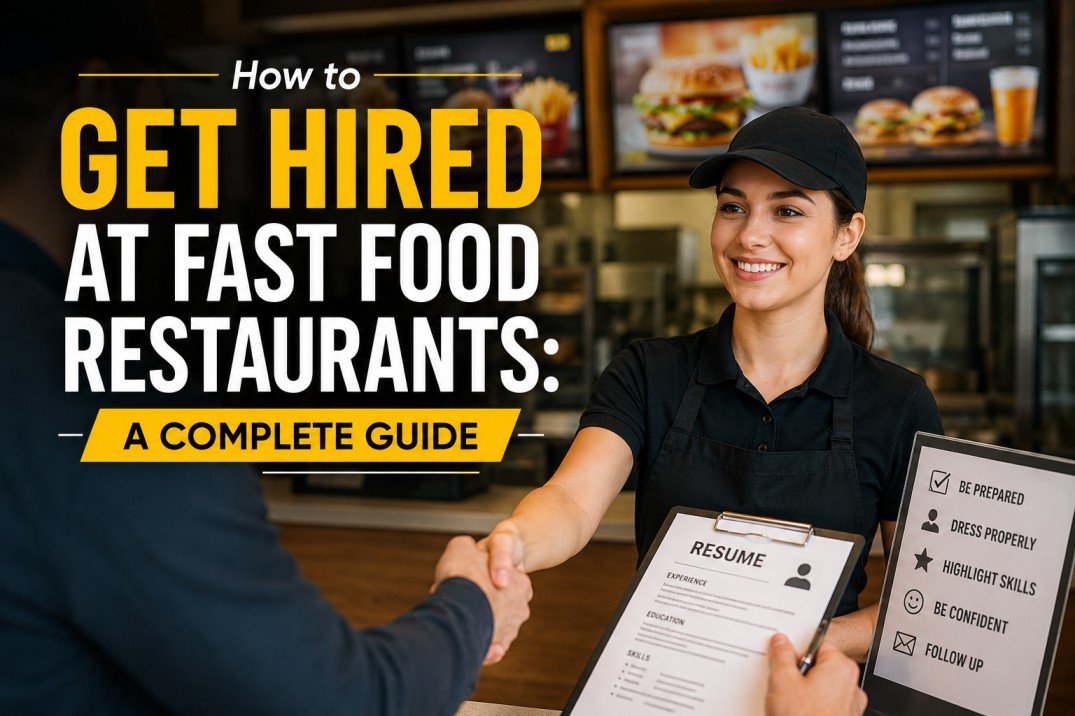
Many applicants assume a resume isn’t necessary for fast food jobs. While some locations will hire without one, having a clean, simple resume sets you apart immediately. It shows initiative and makes the hiring manager’s job easier.
Keep it short and relevant:
- Contact information
- Any past work experience, including babysitting, tutoring, or volunteer work if you’re a first-time job seeker
- Skills like customer service, cash handling, teamwork, or multitasking
- Availability (days and hours you can work)
- References, if you have them
Get Your Availability Straight
Fast food managers care deeply about scheduling flexibility. Before you apply, know exactly which days and hours you can work. If you can open, close, or work weekends, say so clearly. Being upfront about a very limited schedule early on can save both you and the manager time, but showing flexibility, especially in your first few months, often makes you a much stronger candidate.
Gather Basic Documents
You’ll likely need:
- A government-issued ID
- Social Security card or another document proving work eligibility
- If you’re under 18, a work permit may be required depending on your state
Having these ready before an interview or first day prevents delays in onboarding.
Step 3: Submit Your Application the Right Way
Most large chains use online application systems, though some smaller or independently owned locations still accept paper applications in person.
Applying Online
Go to the specific restaurant’s careers page rather than relying solely on third-party job boards. This ensures your application goes directly into the company’s system and often reaches the local hiring manager faster.
When filling out the online form:
- Answer every question completely, even ones that feel repetitive
- Double-check your contact information for typos
- Be honest about your experience level
- List accurate availability
Applying In Person
Applying in person can still make a strong impression, particularly at smaller or locally owned locations. If you choose this route:
- Dress neatly, even though you’re not there for a formal interview
- Ask to speak with a manager rather than just handing an application to a cashier
- Bring a printed resume if you have one
- Be polite and brief; managers are often mid-shift when you walk in
Following Up
If you haven’t heard back within a week, a polite follow-up call or in-person visit can help. Simply ask if your application has been reviewed and express continued interest. This small step demonstrates persistence, a quality every employer values.
Step 4: Ace the Interview
Fast food interviews are typically short and informal compared to corporate jobs, but that doesn’t mean you should treat them casually.
What to Expect
Interviews often last between ten and twenty minutes and may be conducted by a shift manager or assistant manager. Common questions include:
- Why do you want to work here?
- Tell me about a time you dealt with a difficult customer or coworker.
- What does good customer service mean to you?
- Are you comfortable working in a fast-paced environment?
- What is your availability?
How to Prepare Answers
You don’t need scripted responses, but thinking through a few key points beforehand helps you avoid stumbling.
For “why do you want to work here,” avoid saying it’s just about the paycheck, even if that’s part of the truth. Mention something specific, such as enjoying the brand, wanting to build customer service experience, or appreciating the flexible hours.
For behavioral questions, use a simple structure: describe the situation, explain what you did, and share the outcome. Even a small example, like calming down a frustrated classmate or handling a mix-up at a previous job, shows problem-solving skills.
Interview Etiquette
- Arrive five to ten minutes early
- Dress neatly and avoid strong perfume or cologne, since you’ll likely be around food
- Make eye contact and offer a firm handshake if appropriate
- Silence your phone completely
- Bring a copy of your resume even if you already applied online
Questions to Ask the Interviewer
Asking a thoughtful question at the end shows genuine interest. Consider asking about training length, typical shift patterns, or opportunities for advancement. Avoid asking about pay increases or time off before you’ve even been offered the job.
Step 5: What Happens After the Interview
If the interview goes well, some locations offer jobs on the spot, especially if they’re short-staffed. Others may take a few days to compare candidates. If you’re offered the position, be ready to discuss start dates and complete any necessary paperwork, including tax forms and direct deposit information.
If you don’t hear back within a week or two, it’s reasonable to follow up once. If the answer is no, don’t take it personally. Fast food hiring often depends on immediate staffing needs rather than a reflection of your qualifications.
Step 6: Setting Yourself Up for Success Once Hired
Getting hired is only the first step. Standing out early can lead to more hours, better shifts, and faster promotions.
Show up on time, every time. Reliability is the single most valued trait in fast food work. Managers remember who they can count on.
Learn the menu and systems quickly. The faster you get comfortable with the register, the drive-thru system, or food prep stations, the more confident you’ll feel and the more useful you’ll be to your team.
Stay adaptable. Fast food environments change quickly, from sudden rushes to last-minute schedule changes. Employees who stay calm and flexible are valued highly.
Communicate with your team. Whether it’s letting a coworker know you need help during a rush or flagging a supply issue to a manager, clear communication keeps things running smoothly.
Express interest in growth. If you want more hours or eventually a shift lead or management role, say so. Many managers actively look for employees to promote from within rather than hiring externally.
Common Mistakes to Avoid
- Applying to only one location and waiting passively for a response
- Providing vague or extremely limited availability without explanation
- Showing up late or unprepared to interviews
- Failing to bring required identification documents
- Being dismissive about the role, which can come across in tone during interviews
Frequently Asked Questions
Do I need experience to get a fast food job?
No. Most fast food restaurants hire entry-level workers with no prior job experience and provide full training once you start. What matters more is reliability, availability, and a willingness to learn.
How old do I need to be to work at a fast food restaurant?
This varies by state and by chain, but many locations hire workers starting at 14 or 15 for limited roles, and 16 for most standard positions. Some tasks, like operating certain kitchen equipment, may be restricted until age 18. Check your state’s labor laws and the specific company’s minimum age policy.
Do I need a work permit?
If you’re a minor, many states require a work permit before you can start a job. Your school counselor’s office or your state’s department of labor website can tell you how to get one.
How long does the hiring process usually take?
It varies widely. Some locations hire on the spot after a single interview, especially if they’re short-staffed. Others may take one to two weeks to review applications and schedule interviews. If it’s been longer than two weeks with no response, a polite follow-up is reasonable.
What should I wear to a fast food interview?
Business casual is a safe choice: a clean, neat outfit without needing a full suit. Avoid strong perfume or cologne, and skip anything overly casual like pajama-style clothing or flip-flops.
Can I apply to multiple fast food restaurants at once?
Yes, and it’s usually a smart strategy. Applying to several locations increases your chances of getting an interview quickly and gives you options to compare pay, schedule, and culture before accepting an offer.
Will I get a fast food job if I have a very limited schedule?
It’s possible, but limited availability can put you at a disadvantage compared to more flexible applicants. Being upfront about your schedule from the start helps managers decide if your availability fits their current needs, and showing willingness to expand your hours over time can improve your chances.
Do fast food jobs offer benefits?
Many larger chains offer benefits like free or discounted meals, flexible scheduling, tuition assistance programs, and, for full-time employees, options like healthcare or paid time off. Benefits vary significantly by company and whether the location is corporate-owned or franchise-owned, so it’s worth asking during your interview.
What’s the best way to get promoted quickly?
Show up consistently, learn your station well, communicate clearly with your team, and express interest in taking on more responsibility. Many shift leads and managers are promoted from within rather than hired externally, so making your ambitions known early can help.
Should I follow up after submitting an application or interview?
Yes. A polite follow-up call or in-person visit about a week after applying, or after an interview, shows persistence and genuine interest without coming across as pushy.
Final Thoughts
Getting hired at a fast food restaurant is often faster and simpler than other job searches, but treating the process with the same care you’d give any job application significantly improves your chances. Choose your restaurant thoughtfully, prepare your documents and resume in advance, apply promptly and follow up, and approach the interview with genuine enthusiasm and clear communication.
Once hired, showing reliability and a willingness to learn can open doors to more hours, leadership opportunities, and valuable experience that carries over into future jobs, no matter what industry you eventually pursue. Fast food work is frequently underestimated, but for many people, it’s the first real step toward building a strong, dependable work history.