






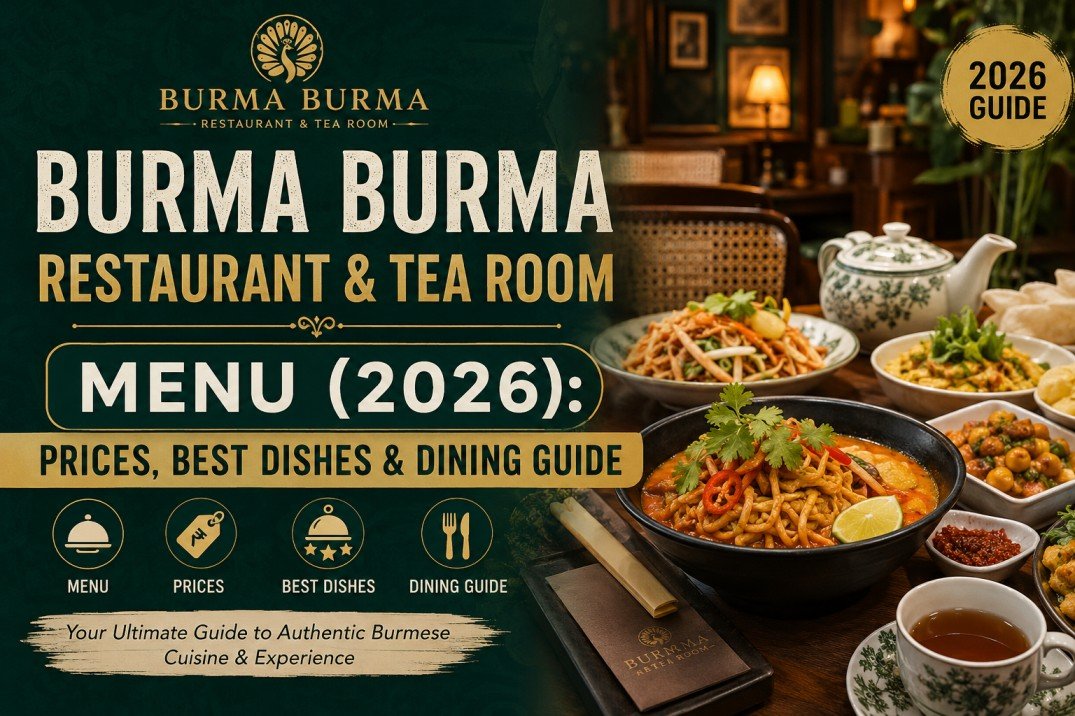
Burma Burma Restaurant & Tea Room holds a rare distinction in India’s dining scene: it is the country’s only specialty Burmese restaurant, and it has built a loyal following entirely on an all-vegetarian menu inspired by the streets, markets, and tea houses of Myanmar. What began as a single Mumbai outpost has grown into a small chain across major Indian cities, each location serving the same core promise — bold, unfamiliar Burmese flavors reimagined for the modern Indian diner. Here’s a complete look at what to expect from the 2026 menu, what it costs, and how to make the most of a visit.
The Concept: Burmese Food, Reimagined
Burma Burma describes itself as an ode to the people and culture of Burma (Myanmar), built around dishes rooted in tradition but given a contemporary twist. The kitchen leans heavily on techniques like fermentation, pickling, and steaming — the backbone of authentic Burmese cooking — to draw out flavor from relatively humble ingredients like lentils, tea leaves, tofu, and root vegetables.
What makes the concept distinctive in India is the choice to go fully vegetarian. There’s no meat and no alcohol on the menu anywhere in the chain, which is unusual for a cuisine that, in Myanmar itself, is built substantially around fish sauce, meat curries, and seafood. Burma Burma’s answer has been to lean into plant-based reinterpretations of classic dishes — chickpea tofu instead of meat-based broths, vegetable-forward curries, and a tea program built around the country’s famous fermented tea leaf traditions. The result is a menu that feels genuinely novel even to diners who consider themselves well-traveled eaters, since Burmese food remains rare in India outside of this chain.
The brand has also periodically run limited-edition menus tied to Burmese culture and calendar — past examples include a Thingyan Festival menu (built around Myanmar’s water festival) and a “Vacation in Yangon” menu, both designed to spotlight home-style dishes and street-food favorites that don’t always make it onto the regular menu.
Locations
Burma Burma has expanded from its original Mumbai location into a small but growing footprint across India’s major cities. Current and recent locations include:
- Fort / Kala Ghoda, Mumbai — the original outpost, tucked inside Kothari House opposite Mumbai University, known for a small, cozy dining room and a policy of walk-ins only rather than reservations.
- Dadar West, Mumbai — a second Mumbai location at The Ruby on Senapati Bapat Marg.
- DLF Cyber Hub, Gurugram — a large, popular branch in Gurugram’s Cyber Hub dining district.
- Indiranagar, Bengaluru — a Bengaluru location known for its extensive menu and valet parking.
- Park Street Area, Kolkata — a Kolkata branch serving the same core menu.
Each location tends to carry the same signature dishes, though exact availability, seating style, and reservation policy vary by branch — the original Fort location, for instance, is famous for taking walk-ins only, with long waits on weekends, while other locations allow advance table bookings.
Menu Structure: What’s on Offer
The Burma Burma menu is extensive and organized in a familiar restaurant format, but nearly every section carries a distinctly Burmese identity:
Soups — Comfort-forward starters built on Burmese technique, including the well-known Samosa Soup (crushed samosas served in a spiced lentil-based broth) and a Chickpea Tofu Soup made with house-prepared Burmese-style tofu (called “tohu”), along with a Burmese Pepper Soup.
Salads — This is where the tea program crosses into the food menu. The signature Tea Leaf Salad is made with fermented and pickled tea leaves, a genuinely rare ingredient outside Myanmar, and the kitchen also serves a Spicy Tea Leaf & Avocado Salad and a tangy Raw Mango Salad.
Small Plates & Street Snacks — Crispy Lotus Stem Crisps, Wa Potatoes (wok-tossed potatoes in a hot seasoning blend), Burmese Falafel, and Charred Broccoli with smoked Burmese cheese are among the most talked-about starters.
Curries & Mains — The Mekong Curry (a coconut-milk-based curry flavored with red chili and tamarind, inspired by dishes found along the Mekong river) and various lemongrass-based curries anchor the main course section, served alongside rice and noodle dishes.
Khowsuey (Khao Suey) — The restaurant’s single most famous dish. A rich, coconut-milk noodle soup topped with a spread of garnishes — usually crispy garlic, fried onions, chili oil, lime, and crunchy noodles — that diners mix in themselves. Burma Burma serves several versions of it, including a “Dry Khowsuey,” a reworking of the traditional Oh No Khowsuey into a less soupy format.
Rice & Noodles — Options like Mon Mustard Edamame Rice, Fried Rice with Tea Leaf, and Uncle Maung’s Chilli Garlic Street Noodles round out the heartier end of the menu, with the chili garlic noodles frequently singled out by reviewers as a standout.
Desserts — Honey Avocado Ice Cream is the most talked-about dessert on the menu, alongside a Saffron and Samosa Cheesecake and other fusion-style sweets that mix Burmese and Indian influences.
The Tea Room — Burma Burma’s tea program is built around Burmese tea culture, offering traditional blends as well as an extensive bubble tea menu with more than a dozen flavors, alongside iced teas, lemonades (including a well-reviewed Berryblush Lemonade), a Kaffir Lime Cooler, and mocktails such as an Elderflower Kombucha.
Signature Dishes Worth Ordering
Across locations and reviews, a handful of dishes come up again and again as the ones to prioritize on a first visit:
- Khao Suey (Khowsuey) — the restaurant’s calling card, a coconut curry noodle soup with build-your-own garnishes.
- Samosa Soup — a best-selling starter that reworks a familiar snack into a comforting broth.
- Tea Leaf Salad / Spicy Tea Leaf & Avocado Salad — the most distinctly “Burmese” item on the menu, built around fermented tea leaves.
- Wa Potatoes — a crowd-favorite side dish known for bold, punchy seasoning.
- Lotus Stem Crisps — a crunchy, well-reviewed starter that shows up in nearly every visitor’s order.
- Uncle Maung’s Chilli Garlic Street Noodles — frequently called out as the standout main course.
- Honey Avocado Ice Cream — the most recommended dessert on the menu, an unusual but well-loved combination.
- Bubble Tea — with 15-plus flavors on offer, it’s treated as a menu category in its own right rather than an afterthought.
Prices: What a Meal Costs
Burma Burma sits in the mid-to-upper range for casual dining in Indian metros, reflecting its positioning as a specialty, slightly more premium cuisine experience rather than an everyday quick-service restaurant. Based on diner reports across locations:
- Lunch: roughly ₹1,000–1,200 per person
- Dinner or a fuller meal with starters, mains, and dessert: roughly ₹1,600–1,800 per person
- Reviewers frequently describe the menu as “slightly on the pricier side” for the portion sizes, while also noting that the quality and novelty of the dishes justify the cost for a special-occasion meal.
Exact pricing varies by city and by individual dish, and menus are updated periodically, so it’s worth checking current prices directly with the specific location before visiting, especially since the chain has multiple city-specific menus.
Dietary Notes
The entire Burma Burma menu is vegetarian, making it a strong option for vegetarian diners looking for something beyond typical Indian or Chinese options. A significant portion of the menu — including items like the tofu-based soups, several curries, and the Burmese chips — is also vegan or easily adapted to be vegan. No alcohol is served at any Burma Burma location; the beverage program instead leans entirely on the tea room concept, with bubble teas, iced teas, and mocktails standing in for a bar list.
Dining Experience and Practical Tips
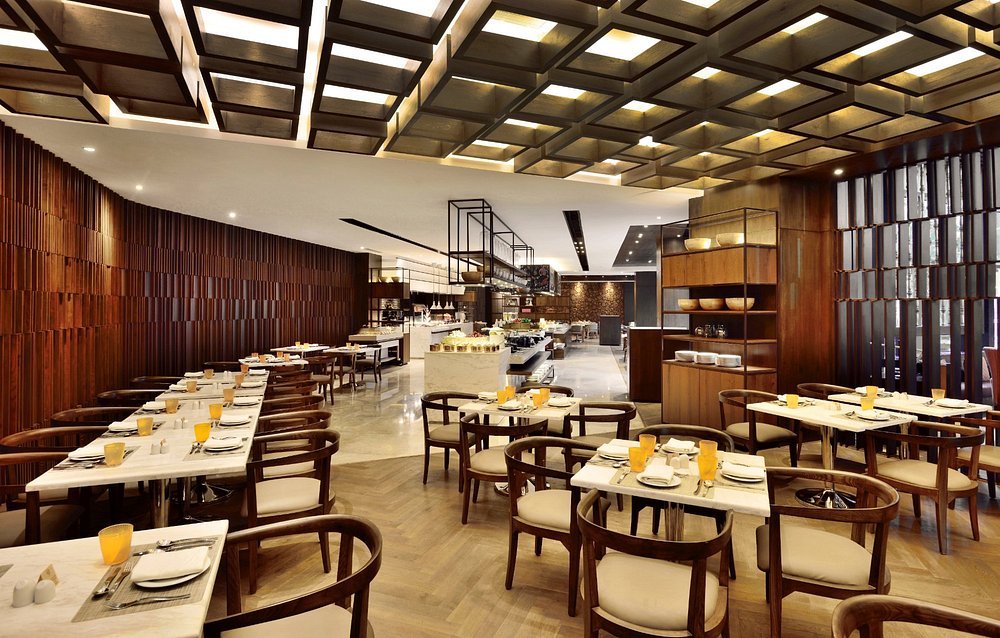
Reviewers consistently describe the atmosphere as warm, relaxed, and thoughtfully designed, with attentive service across locations. A few practical points worth knowing before visiting:
- Check the reservation policy for your specific location. The original Fort, Mumbai branch is walk-ins only and can involve a long wait on weekends, while other branches, including the Gurugram and Bengaluru locations, generally accept advance bookings.
- Expect no alcohol. Plan accordingly if wine or cocktails are part of how you usually enjoy a meal out — the tea and mocktail program is built to fill that role instead.
- Portions can run smaller relative to price, so it’s worth ordering a spread of soups, salads, and a main rather than a single large dish, especially for sharing.
- Save room for the tea program. The bubble tea and specialty tea menu is extensive enough to be worth exploring on its own, not just as an add-on.
- Ask about limited-edition menus. Since Burma Burma periodically runs festival-themed menus, it’s worth asking staff whether a special seasonal menu is currently available.
- Vegetarians and vegans should feel confident here, since the entire menu is built around plant-based Burmese cooking rather than offering a token vegetarian section.
Is Burma Burma Worth Visiting?
For diners in India looking to try something genuinely different from the usual restaurant rotation, Burma Burma occupies a near-unique spot: there is essentially no other widely available Burmese dining option in the country, and the kitchen’s commitment to techniques like fermentation and pickling gives the menu a flavor profile that doesn’t overlap much with Indian, Chinese, or Thai food, despite regional proximity. Dishes like the Tea Leaf Salad and Khowsuey have become minor cult favorites precisely because they introduce diners to ingredients and combinations they’re unlikely to have encountered elsewhere. Combined with consistently strong ratings across its locations and a distinctive, tea-centric beverage program, Burma Burma has earned its reputation as one of the more interesting specialty dining experiences available in Indian cities today.
Frequently Asked Questions
1. What is Burma Burma Restaurant & Tea Room known for?
It’s known for being India’s only specialty Burmese restaurant chain, serving an all-vegetarian menu built around dishes like Khao Suey (Khowsuey), Samosa Soup, and Tea Leaf Salad, alongside an extensive tea and bubble tea program.
2. Is Burma Burma fully vegetarian?
Yes. The entire menu across all locations is vegetarian, and a large portion of the dishes are vegan or can be adapted to be vegan.
3. Does Burma Burma serve alcohol?
No. No location serves alcohol. The beverage program instead focuses on Burmese teas, bubble teas, iced teas, and mocktails.
4. What is the most popular dish at Burma Burma?
Khao Suey (Khowsuey), a coconut milk noodle soup with build-your-own garnishes, is the restaurant’s signature dish and most ordered item across locations.
5. How much does a meal at Burma Burma cost?
Lunch typically runs about ₹1,000–1,200 per person, while a fuller dinner with starters, mains, and dessert costs roughly ₹1,600–1,800 per person, depending on the city and dishes ordered.
6. Which cities have Burma Burma locations?
Mumbai (Fort/Kala Ghoda and Dadar West), Gurugram (DLF Cyber Hub), Bengaluru (Indiranagar), and Kolkata (Park Street Area) are among the current locations.
7. Do I need a reservation?
It depends on the branch. The original Fort, Mumbai location accepts walk-ins only and can involve long weekend waits, while other locations, such as Gurugram and Bengaluru, generally accept advance bookings.
8. What should I order on a first visit?
Popular picks include Khao Suey, Samosa Soup, Tea Leaf Salad, Wa Potatoes, Lotus Stem Crisps, Uncle Maung’s Chilli Garlic Street Noodles, and Honey Avocado Ice Cream for dessert.
9. Does Burma Burma run any seasonal or special menus?
Yes, the brand has periodically introduced limited-edition menus like a Thingyan Festival menu and a “Vacation in Yangon” menu, highlighting home-style and street-food dishes not always on the regular menu.
10. Is Burma Burma good for special occasions?
Yes, many reviewers describe it as slightly pricier than typical casual dining but well suited to special occasions, thanks to its unique cuisine, attentive service, and distinctive ambiance.