






Choosing a restaurant sounds simple until you’re the one responsible for getting it right. A first date at the wrong kind of place feels awkward. A birthday dinner at a spot with no private seating feels chaotic. A business lunch at a loud, crowded diner sends the wrong message before anyone even orders. The restaurant you pick shapes the entire experience of an occasion, sometimes more than the food itself.
This guide breaks down exactly how to choose the right restaurant for any occasion, using a clear, repeatable framework you can apply whether you’re planning a romantic anniversary, a corporate dinner, a family reunion, or a casual catch-up with friends.
Why the Right Restaurant Choice Matters
A restaurant does more than serve food. It sets the mood, controls the pace of conversation, and signals how much effort you put into the occasion. The same group of people can have a completely different experience depending on whether they’re seated at a rushed fast-casual counter or a quiet table with attentive service.
Choosing well also protects you from common planning failures: overbooked venues, mismatched dress codes, noise levels that make conversation impossible, or menus that don’t accommodate dietary needs. A little upfront thought prevents most of these problems.
Step 1: Define the Purpose of the Occasion
Before looking at menus or locations, get clear on what the occasion actually requires. Ask yourself:
- Is this a celebration, a business meeting, a casual hangout, or a romantic evening?
- Do you need privacy, or is a lively atmosphere fine?
- Will there be a formal component, like speeches or a toast?
- Is food the main focus, or is it a backdrop for conversation?
A birthday party needs a different setting than a job interview lunch. A quiet anniversary dinner needs a different setting than a bachelor party. Naming the purpose first narrows your options fast and prevents mismatched choices later.
Step 2: Consider the Guest List
Who is coming matters as much as why you’re gathering. Think through:
Group size. Small groups have far more restaurant options than large parties. If you’re bringing more than 8–10 people, confirm the restaurant can accommodate a group booking or has a private room.
Dietary needs and preferences. Vegetarian, vegan, gluten-free, halal, kosher, or allergy-related requirements should be checked against the menu in advance, not discovered at the table.
Age range. A restaurant that’s perfect for a group of colleagues may not work for a family gathering with young children or elderly relatives who need easy seating and a calmer environment.
Relationship dynamics. A first date calls for a different comfort level than a long-married couple’s night out. A client dinner calls for a different tone than a reunion with old friends.
Step 3: Set a Realistic Budget
Budget shapes everything from restaurant tier to menu choices. Decide on a per-person range before you start searching, and stick close to it. A few practical tips:
- Check whether the restaurant has a fixed-price menu or tasting menu, which can simplify budgeting for larger groups.
- Factor in drinks, tax, and tip, which can add 30–40% on top of the food cost.
- For group occasions, decide in advance whether the bill will be split evenly, split by item, or covered by a host, since this affects which restaurants are practical.
- Remember that a more expensive restaurant isn’t always the better choice; a well-chosen mid-range spot with the right atmosphere often beats an overpriced venue that doesn’t fit the occasion.
Step 4: Match the Atmosphere to the Occasion
Atmosphere is often the single biggest factor people get wrong. Here’s a quick reference for common occasions:
Romantic dinners (anniversaries, dates): Look for dim lighting, smaller tables, quieter music, and attentive but unobtrusive service. Avoid sports bars, food courts, or anywhere with television screens and loud crowds.
Business meals: Choose somewhere with good acoustics for conversation, private or semi-private seating if discussing sensitive topics, reliable Wi-Fi if needed, and a menu that’s easy to eat without mess. Avoid anything overly casual or with communal seating.
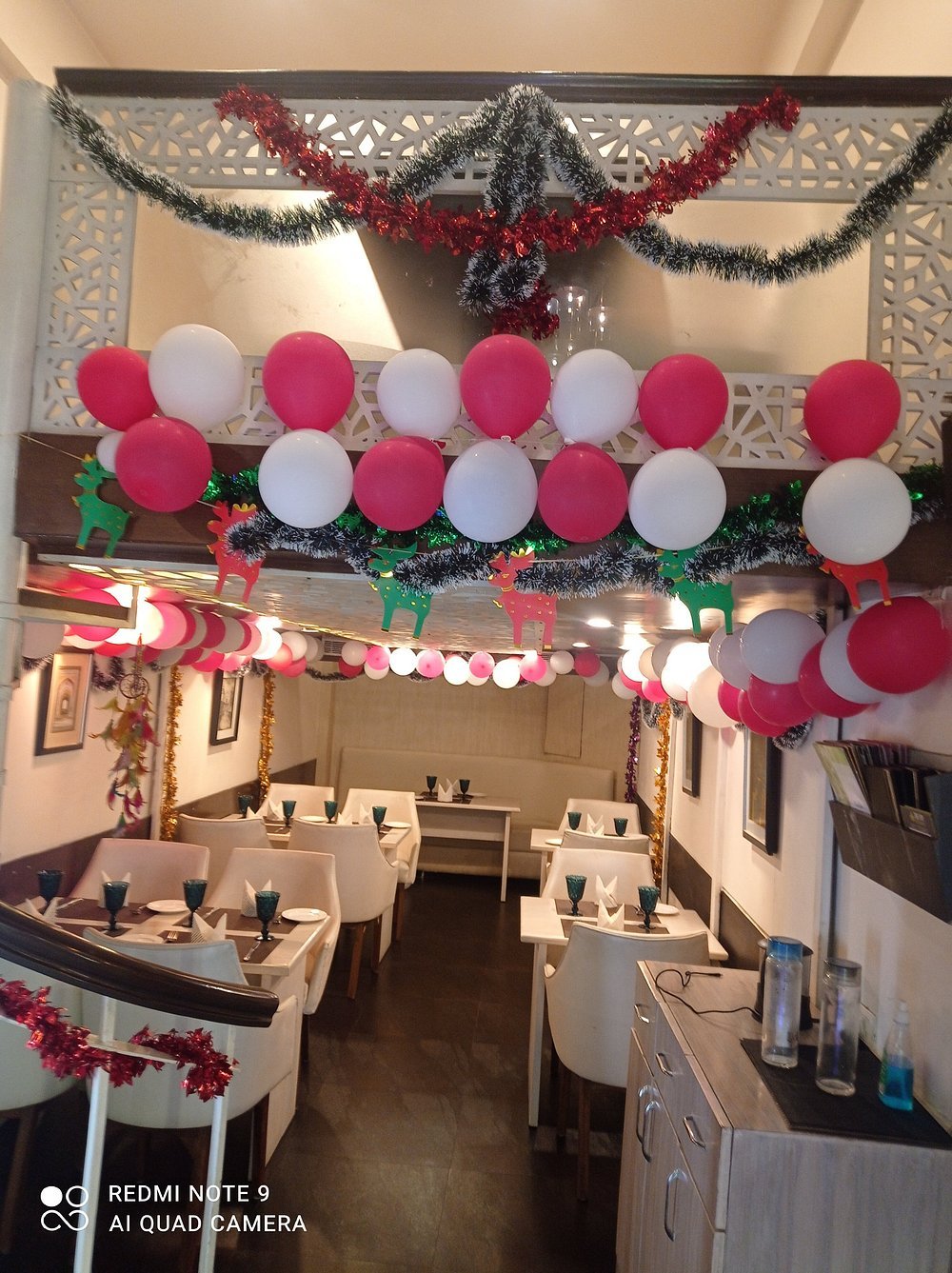
Birthdays and celebrations: Look for restaurants that allow decorations, cakes, or reservations for larger groups. Private rooms or semi-private sections work well for parties who want to be a little louder without disturbing other diners.
Family gatherings: Prioritize restaurants with a varied menu that suits different age groups, comfortable seating, and a noise level that allows conversation without shouting.
Casual hangouts: Almost any relaxed, moderately priced spot works. Focus on convenience, shareable menu items, and a comfortable, unhurried vibe.
Step 5: Location and Logistics
Even the perfect restaurant can fail an occasion if the logistics don’t work. Check:
- Distance and travel time for all guests, especially if some are traveling from out of town.
- Parking availability or proximity to public transport.
- Accessibility for guests with mobility needs.
- Reservation policy, especially for weekends or holidays when popular restaurants book out weeks in advance.
- Operating hours, particularly for occasions that run late or start early.
If you’re planning for a group with different locations, a central spot that minimizes total travel time is usually the fairer, more practical choice.
Step 6: Research Before You Book
A quick research pass prevents most surprises. Before finalizing a reservation:
- Read recent reviews, not just the overall rating, since recent feedback reflects current service and food quality more accurately.
- Check the restaurant’s own website or social media for updated menus, since online listings on third-party apps are often outdated.
- Call ahead for special requests like decorations, seating preferences, or dietary accommodations, especially for larger groups.
- Confirm the dress code, particularly for upscale restaurants or occasions with a formal element.
Step 7: Book Early and Confirm Details
Once you’ve chosen a restaurant, don’t wait to reserve, especially for weekends, holidays, or restaurants known for popularity. When booking:
- Mention the occasion when reserving; many restaurants offer small touches like a complimentary dessert or better seating for birthdays and anniversaries.
- Confirm the reservation a day or two in advance for important occasions.
- Share the final details (time, address, dress code) with all guests well ahead of the event.
A Quick Decision Framework
If you want a fast way to narrow down choices, run through these five questions:
- What is the occasion, and what mood does it need?
- How many people, and do they have dietary or accessibility needs?
- What’s the budget per person, including drinks and tip?
- Is the location convenient for everyone involved?
- Does the atmosphere match the tone of the occasion?
If a restaurant checks all five boxes, it’s very likely the right choice.
Common Mistakes to Avoid
- Choosing based on hype alone. A trendy restaurant might not suit a quiet conversation or a large group.
- Ignoring noise levels. A beautiful restaurant with terrible acoustics can ruin an intimate occasion.
- Skipping the menu check. Always confirm the restaurant can accommodate dietary restrictions before booking, not after arriving.
- Booking too late. Popular restaurants, especially for weekends and holidays, fill up fast.
- Overlooking logistics. Parking, travel time, and accessibility are easy to forget but can make or break the experience.
Frequently Asked Questions
How do I choose a restaurant for a first date?
Pick somewhere moderately priced, quiet enough for easy conversation, and not overly formal or overly casual. Avoid loud bars, messy foods, and anywhere with a long wait, since uncertainty adds unnecessary pressure.
What’s the best type of restaurant for a business dinner?
Choose a restaurant with good acoustics, private or semi-private seating, and a menu that’s simple to eat neatly. Avoid extremely casual spots or anywhere too loud for discussion.
How far in advance should I book a restaurant for a special occasion?
For popular restaurants or weekend dates, book one to two weeks ahead. For major holidays or large groups, book three to four weeks ahead when possible.
What should I consider when choosing a restaurant for a large group?
Confirm the restaurant can accommodate your group size, check if they offer a private room or set menu, and consider how the bill will be split before booking.
How do I find a restaurant that fits everyone’s dietary needs?
Check the menu online in advance, call the restaurant directly if needed, and choose venues known for flexible or varied menus when the group has mixed dietary requirements.
Final Thoughts
Choosing the right restaurant isn’t about finding the most expensive or most popular option. It’s about matching the purpose of the occasion, the needs of your guests, and practical logistics to a place that lets everyone relax and enjoy the moment. Use the framework above, do a little research before booking, and you’ll consistently pick restaurants that make every occasion feel right.