






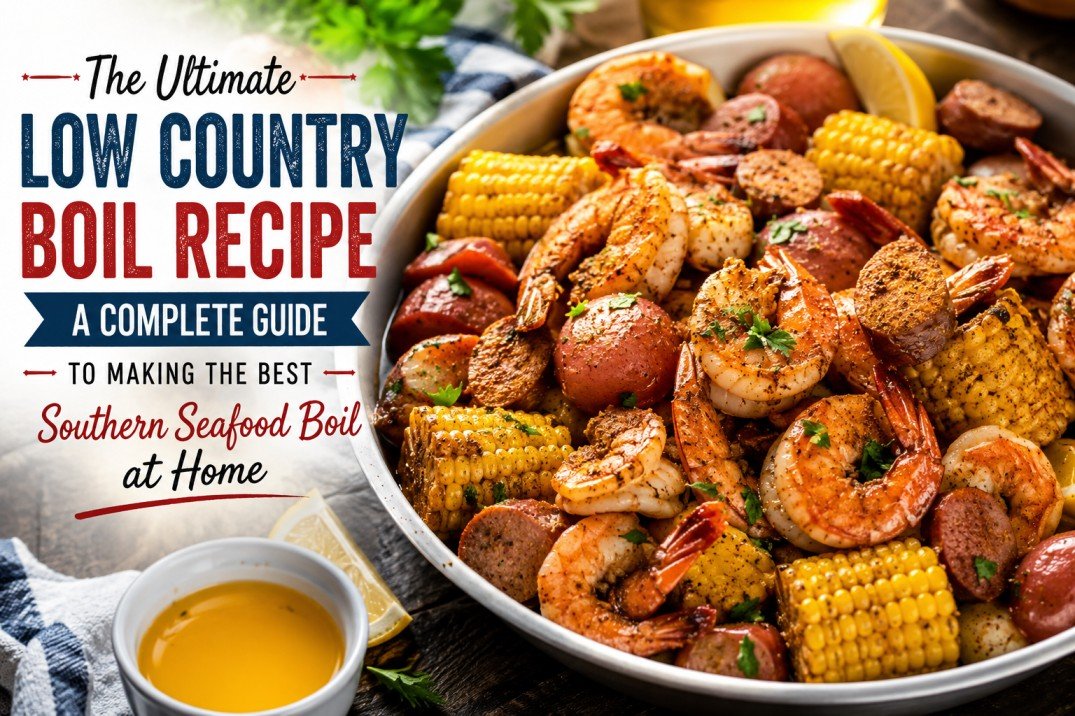
If you have ever attended a backyard cookout in the American South, chances are you have seen a giant pot bubbling away on an outdoor burner, filled with shrimp, sausage, corn, and potatoes, all destined to be dumped straight onto a newspaper-covered table. That dish is the Low Country Boil, and it is one of the most beloved one-pot meals in Southern cooking. Easy to make, endlessly customizable, and perfect for feeding a crowd, this recipe has earned a permanent spot at family reunions, beach trips, tailgates, and holiday gatherings across the country.
In this guide, we will walk through everything you need to know to make an authentic, restaurant-quality Low Country Boil in your own kitchen or backyard. From the history behind the dish to ingredient selection, step-by-step cooking instructions, expert tips, and answers to the most common questions people ask, this article covers it all.
What Is a Low Country Boil?
A Low Country Boil is a one-pot seafood dish that originated along the coastal regions of South Carolina and Georgia, an area historically referred to as the “Lowcountry.” The dish typically combines shrimp, smoked sausage, corn on the cob, and potatoes, all simmered together in a heavily seasoned broth, then drained and served family-style.
The dish goes by several regional names, including Frogmore Stew, Beaufort Boil, and Tidewater Boil. Frogmore, a small community near Beaufort, South Carolina, is often credited as the birthplace of the dish, though its exact origins are debated among Lowcountry natives. Regardless of the name used, the concept remains the same: a hearty, communal meal built around fresh, local ingredients cooked together in one large pot.
Unlike more elaborate seafood dishes that require individual plating and delicate presentation, the Low Country Boil is meant to be casual and messy in the best way possible. The finished boil is traditionally poured directly onto a table lined with newspaper or butcher paper, and guests dig in with their hands, peeling shrimp and cracking crab shells as they go.
Why This Recipe Works So Well
There are a few reasons the Low Country Boil has remained a Southern staple for generations:
It feeds a crowd effortlessly. A single pot can easily serve eight, ten, or even twenty people depending on the size of your cookware, making it ideal for parties and large family gatherings.
It requires minimal equipment. All you really need is a large stockpot, a heat source, and a strainer or basket insert. No fancy kitchen gadgets required.
It is endlessly adaptable. Whether you prefer your boil spicy, mild, seafood-heavy, or sausage-forward, the base recipe can be adjusted to fit almost any taste preference.
Cleanup is simple. Since the boil is traditionally served on disposable table coverings, there are no serving dishes to wash. Roll up the paper, toss it, and you are done.
Essential Ingredients for a Classic Low Country Boil
While every home cook and Southern family has their own version of this dish, most traditional recipes rely on the following core ingredients.
The Broth
The broth is the foundation of flavor in a Low Country Boil. Most recipes use a combination of water and beer, though some cooks prefer to use seafood stock, chicken stock, or a mix of all three. A light lager or pilsner works best because it adds a subtle malty sweetness without overpowering the seafood. If you prefer to skip alcohol entirely, seafood or chicken stock makes an excellent substitute.
Seasoning
Old Bay seasoning is the most commonly used spice blend for a Low Country Boil, prized for its balance of celery salt, paprika, mustard, and warm spices. Some cooks double up on the seasoning for a bolder flavor, while others prefer to make a homemade Cajun or Creole seasoning blend instead. A splash of hot sauce in the broth is also a popular addition for those who like a bit of heat.
Potatoes
Small red potatoes are the go-to choice because their waxy texture holds up well during a long boil without falling apart. They also absorb the seasoned broth beautifully, becoming tender and flavorful by the time the dish is finished.
Corn
Fresh corn on the cob, cut into halves or thirds, adds natural sweetness that balances the salty, spicy broth. Frozen corn on the cob can be used when fresh corn is out of season.
Sausage
Smoked sausage is essential for adding richness and depth to the dish. Andouille sausage brings a Cajun-style kick, while kielbasa offers a milder, smokier flavor. Because the sausage is already fully cooked, it only needs enough time in the pot to heat through and release its flavor into the broth.
Shrimp
Shrimp is the star of the show. Large or extra-large shrimp, whether peeled or left in the shell, work best for this recipe. Shell-on shrimp tend to hold their texture better during cooking and add extra flavor to the broth, though peeled shrimp make for easier eating. As a general rule, plan for about a quarter pound of shrimp per person.
Crab (Optional)
Snow crab legs or crab claws are a popular addition for those who want to elevate their boil. While not strictly traditional in every version of the recipe, crab adds a fun, hands-on element that many guests enjoy.
Aromatics and Garnishes
Onions, garlic, and lemon halves added to the broth infuse the entire dish with additional layers of flavor. Fresh parsley, lemon wedges, melted butter, and cocktail sauce are common garnishes served alongside the finished boil.
Equipment You Will Need
- A very large stockpot (a 20 to 40 quart pot is ideal for bigger gatherings)
- A propane burner if cooking outdoors, or a large stovetop pot if cooking indoors
- A slotted spoon or strainer basket for easy removal of ingredients
- Newspaper, butcher paper, or a disposable tablecloth for serving
- Tongs for handling hot corn and sausage
Step-by-Step Instructions
Step 1: Build the Broth
Fill your large pot with a combination of water and beer, or substitute stock if preferred. Add a generous amount of Old Bay seasoning, salt, halved lemons, and a halved head of garlic. Bring the mixture to a rolling boil over high heat. This step is crucial because the broth is what infuses flavor into every other ingredient added afterward.
Step 2: Add the Potatoes
Once the broth is boiling, add the small red potatoes first, since they take the longest to cook. Let them simmer until they begin to soften, usually around seven to ten minutes.
Step 3: Add the Onions and Sausage
Next, add quartered onions and sliced smoked sausage to the pot. Because the sausage is already cooked, this step is more about infusing flavor and warming it through rather than cooking it from raw. Allow everything to boil together for about ten minutes.
Step 4: Add the Corn
Add the corn on the cob next, letting it cook until both the potatoes and corn are fork-tender and the corn turns a deep golden color. This usually takes another ten minutes.
Step 5: Add the Seafood
This is the most important step to get right. Add the shrimp, and crab legs if using, only at the very end. Shrimp cooks extremely fast, typically in three to five minutes, and becomes tough and rubbery if left in the boiling broth too long. Watch closely and remove the pot from heat as soon as the shrimp turns pink and opaque.
Step 6: Drain and Serve
Once everything is cooked through, drain the broth completely. Traditionally, the entire pot is poured out directly onto a table lined with newspaper or a disposable tablecloth for a casual, hands-on dining experience. Garnish with fresh parsley, lemon wedges, melted butter, and your favorite hot sauce or cocktail sauce.
Tips for the Perfect Low Country Boil
Do not overcook the shrimp. This is the single most common mistake home cooks make. Shrimp only need a few minutes in the pot, and pulling them out too late results in a chewy, unpleasant texture.
Layer your ingredients based on cook time. Potatoes go in first because they take the longest, followed by sausage and onions, then corn, and finally the seafood last.
Taste your broth before adding ingredients. Since everything absorbs flavor from the broth, it should taste well-seasoned on its own before you start adding solid ingredients.
Use a strainer basket if possible. A removable basket insert makes it much easier to lift everything out of the pot at once without needing to drain scalding hot liquid separately.
Don’t skip the aromatics. Garlic, lemon, and onion in the broth add complexity that plain water or stock alone cannot replicate.
Popular Variations
One of the best things about a Low Country Boil is how easily it can be customized. Here are a few popular variations home cooks enjoy:
Spicy Cajun-Style Boil: Swap Old Bay for a homemade Cajun or Creole seasoning blend, and add extra hot sauce or cayenne pepper to the broth for a spicier version.
Extra Seafood Boil: Add clams, mussels, crawfish, or even lobster tails during the final few minutes of cooking for a more indulgent seafood-forward version.
Slow Cooker Version: For those without access to a large stockpot or outdoor burner, a slow cooker adaptation allows the potatoes and sausage to cook low and slow for several hours, with the corn and shrimp added toward the end.
Vegetable-Forward Boil: Some cooks add mushrooms, bell peppers, or even hard-boiled eggs to the pot for additional texture and flavor variety.
What to Serve With a Low Country Boil
Because this dish is already loaded with protein, starch, and vegetables, it does not require many side dishes. That said, a few classic Southern pairings complement it beautifully:
- Grilled or garlic bread for soaking up the flavorful broth
- A simple green salad to balance the richness of the sausage and butter
- Coleslaw for a cool, crunchy contrast
- Extra melted butter, cocktail sauce, and hot sauce on the side for dipping
How to Store and Reheat Leftovers
If you happen to have leftovers, store them in an airtight container in the refrigerator for up to three days. When reheating, it is best to separate the shrimp from the vegetables and sausage. Warm the potatoes, corn, and sausage gently on the stovetop or in the microwave, while enjoying the shrimp cold or just barely warmed, since reheating shrimp too much can make it rubbery.
Frequently Asked Questions
Do I have to use beer in the broth?
No. While beer adds a subtle depth of flavor, you can easily substitute seafood stock, chicken stock, or even plain water with extra seasoning if you prefer to skip alcohol.
Can I make this dish indoors?
Absolutely. While Low Country Boils are traditionally cooked outdoors over a propane burner, a large stockpot on your stovetop works just as well for smaller batches.
What other seafood can I add?
Clams, mussels, crawfish, and lobster tails are all popular additions. Just be mindful of cooking times, since shellfish like clams and mussels only need a few minutes to open and cook through.
How do I know when the shrimp is done?
Shrimp is done as soon as it turns pink and opaque, usually within three to five minutes. Overcooked shrimp becomes tough and chewy, so it is better to slightly undercook and let residual heat finish the job.
Can I scale this recipe up or down?
Yes, this recipe is very forgiving when it comes to scaling. Just make sure you have enough broth to fully submerge whatever quantity of ingredients you are using.
Final Thoughts
A Low Country Boil is more than just a recipe, it is an experience. Rooted in Southern coastal tradition, this dish brings people together around a shared table, encourages hands-on eating, and delivers bold, comforting flavor with minimal cleanup. Whether you are hosting a backyard cookout, a beach weekend, or simply craving a taste of the South, this classic seafood boil is guaranteed to be a crowd-pleaser every single time.
With the right balance of seasoning, properly timed cooking, and a few personal touches, you can recreate this Southern classic in your own home and make it a tradition worth repeating.