






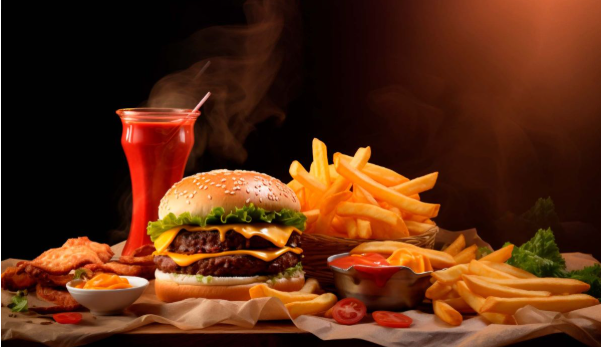
It may be considered simple to choose fast food over a home-cooked meal because of our hectic schedules. Driving somewhere without making a brief stop for a quick supper is practically impossible. Losing to temptation, meanwhile, also means losing influence over how healthful your diet is. Moderation is crucial, but eating a fast food meal through best takeaway Stockport isn’t the end of the world. Overindulging in hazardous fast food has detrimental impacts on your general health and raises your chance of getting cardiac problems in the future.
Damages Your Heart
To start, eating poorly raises your risk of developing heart disease too soon. For the sake of your general well-being as well as the health of your heart, you must actively work to consume a balanced, healthful diet. Geographical regions with a higher concentration of fast food businesses have been linked to higher rates of heart attacks, according to studies. Additionally, eating fast food may boost your risk of stroke, blood clots, and diabetes.
Spikes Blood Sugar
Breaded items, bagels, and buns are rich in processed carbohydrates that your body converts to sugar. Your body releases insulin to balance out rising blood sugar concentrations. Your pancreas, the organ which produces insulin, may eventually become weary of these frequent blood sugar increases.
Gives Access to Digestive Problems
Even while fast food tastes nice, once it enters your system, you might not feel well. Foods high in sodium, like fries, might momentarily cause bloating. Your digestive tract becomes backed up when you combine this with an insufficient dietary fibre intake. Constipation brought on by this may increase your risk of haemorrhoids, hernias, and diverticulitis.
Impacts Your Emotion
Your bodily and emotional well-being may be encouraged by the foods and drinks you consume. The nutrients, minerals, and other vitamins your body calls for to improve your temper are absent from rapid meals. Fast meals and processed foods may be related to an accelerated risk of melancholy, according to analysis.
Overeating and Large Portion Sizes
Over time, portion sizes at fast-food eating places have significantly improved. Nowadays, a meal that becomes as soon as possible is regularly more than what the frame calls for. Even when someone feels completely happy, consuming too much is advocated via huge amounts. Excess fat is saved, in particular around the abdomen, while the body consumes greater energy than it burns. Because stomach fat releases chemical compounds that exacerbate infection in addition to putting stress on the cardiovascular system, this type of weight gain is strongly related to heart disorders.
Prioritising Convenience As Well As Marketing Over Health
Fast food chains spend a lot of money on marketing that emphasises affordability, ease of use and feelings over health. Fast food is an easy option, especially for young adults, because of its eye-catching packaging, exclusive offers, and speedy service. Regrettably, medical data is frequently neglected. Frequent intake is encouraged by this ongoing exposure, which makes it more difficult for people to detect the long-term implications on body weight as well as heart health.
Impact on the Bones
Fast food and processed food contain sugar and carbohydrates, which can make the tongue sour. These acids are capable of breaking down tooth enamel. Cavities in the teeth can be caused by exposure to bacteria as tooth enamel is destroyed. Being overweight can also cause problems with muscle mass and bone density. Obese people are more likely to fall and break bones. It is important to maintain a balanced diet to reduce bone loss and continue to exercise to develop the muscles that nourish your bones.
Inadequate Nutrition
Fast meals are notorious for having a low dietary profile. It can sooner or later bring about dietary inadequacies due to the fact that it is usually high in calories, fats, carbohydrates, and salt, however poor in crucial vitamins along with vitamins, minerals, and fibre. Frequent rapid food intake might also cause your body no longer get the nutrients it desires to perform at its best. Inadequate intake of nutrients and minerals, for instance, might weaken your immune system, lower your vitality levels, and slow down your body’s process of recovery.
Conclusion:
Fast meals’ excessive portions of harmful fat, salt, sugar, and calories, together with their massive serving sizes and terrible nutritional value, have an effect on heart health and weight gain. Although it tastes true and is handy, frequent use might sooner or later cause major health issues. Knowing these hazards allows humans to make wiser selections in an international wherein speedy meals is ubiquitous, particularly in famous eateries.