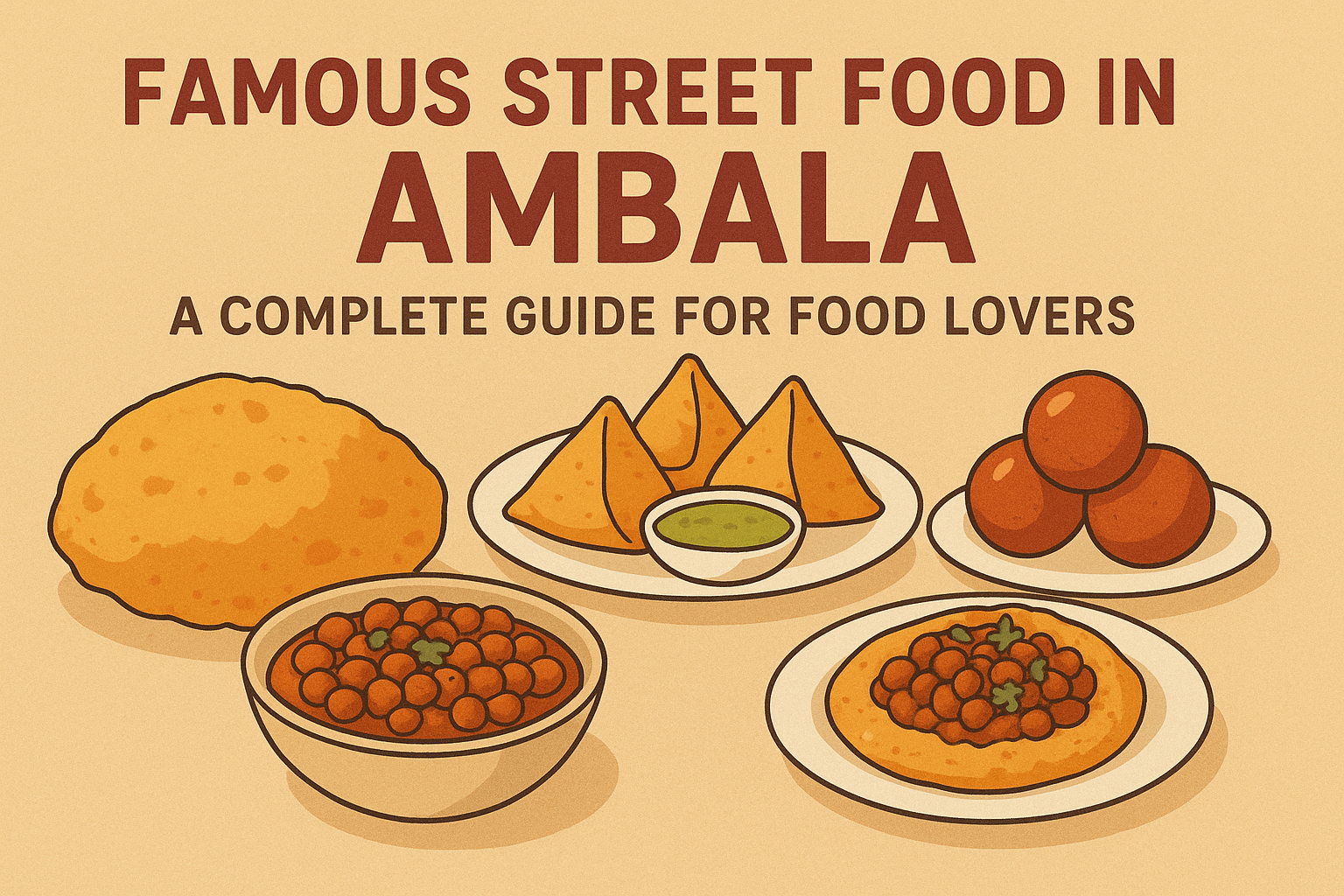








When it comes to popular Indian snacks, Aloo Samosa holds a very special place. This crispy, triangular pastry filled with spicy potato stuffing is loved by people of all ages. From busy street corners to family gatherings, samosas are a common and favorite snack across India. The delicious combination of a crunchy outer layer and flavorful filling makes it perfect for tea-time, parties, and festivals.
Street-style aloo samosa is especially famous for its rich taste and authentic flavor. Vendors prepare it fresh in large woks of hot oil, giving it a perfectly golden and crispy texture that many people find irresistible. In this article, we will explore the history, ingredients, preparation method, and tips for making perfect street-style aloo samosa at home.
History of Samosa
The samosa has an interesting history that goes back many centuries. It is believed that samosas originated in the Middle East and Central Asia. Early versions were known as sambosa or sanbosag. Traders and travelers brought this delicious snack to the Indian subcontinent during the medieval period.
Over time, Indian cooks added their own twist by filling the pastry with spicy potatoes, peas, and aromatic spices. Today, the Indian aloo samosa has become one of the most iconic street foods in the country. It is enjoyed not only in India but also in many other parts of the world.
Why Street Style Samosa is Special
Street vendors have mastered the art of making samosas that are extra crispy and flavorful. Some reasons why street-style samosas taste so good include:
-
Perfect spice balance in the potato filling
-
Slow frying technique that makes the crust crispy
-
Fresh ingredients used in the preparation
-
Unique chutneys served alongside samosas
When served hot with mint chutney and tamarind chutney, the taste becomes even more amazing.
Ingredients for Street Style Aloo Samosa
For the Dough
-
2 cups all-purpose flour (maida)
-
4 tablespoons oil or ghee
-
1/2 teaspoon salt
-
Water (as needed)
For the Potato Filling
-
4–5 boiled potatoes
-
1/2 cup green peas (optional)
-
2 green chilies finely chopped
-
1 teaspoon cumin seeds
-
1 teaspoon coriander powder
-
1/2 teaspoon turmeric powder
-
1 teaspoon garam masala
-
1 teaspoon red chili powder
-
Salt to taste
-
Fresh coriander leaves
-
1 tablespoon oil
For Frying
-
Oil for deep frying
Step-by-Step Preparation
Step 1: Prepare the Dough
In a mixing bowl, add flour, salt, and oil. Mix well until the flour becomes slightly crumbly. Slowly add water and knead it into a firm dough. Cover the dough and let it rest for about 20–30 minutes.
Step 2: Prepare the Potato Filling
Heat oil in a pan and add cumin seeds. When they start to crackle, add chopped green chilies and green peas. Stir for a few seconds.
Add the boiled and mashed potatoes to the pan. Now mix turmeric powder, coriander powder, red chili powder, garam masala, and salt. Cook for a few minutes while stirring.
Finally, add fresh coriander leaves and mix well. Turn off the heat and allow the mixture to cool.
Step 3: Shape the Samosas
Divide the dough into small balls. Roll each ball into an oval or round shape. Cut it into two halves.
Take one half and fold it into a cone shape. Seal the edge with a little water. Fill the cone with potato mixture and seal the top edge properly to form a triangular samosa.
Step 4: Fry the Samosas
Heat oil in a deep pan on medium-low heat. Carefully place the samosas in the hot oil.
Fry them slowly until they become golden brown and crispy. This process may take about 8–10 minutes for perfect texture.
Remove the samosas and place them on paper towels to remove excess oil.
Serving Suggestions
Street-style samosas taste best when served hot. They are commonly served with:
-
Mint chutney (green chutney)
-
Tamarind chutney (imli chutney)
-
Chopped onions and chaat masala
-
A cup of hot masala chai
Many people also enjoy samosa chaat, where samosas are crushed and topped with yogurt, chutneys, onions, and spices.
Tips for Perfect Crispy Samosa
-
Use a firm dough – Soft dough can make the samosa less crispy.
-
Add enough oil or ghee in the dough for a flaky crust.
-
Fry on low to medium heat to ensure even cooking.
-
Do not overcrowd the pan while frying.
-
Let the filling cool before stuffing the samosa.
Following these tips will help you achieve the authentic street-style samosa taste at home.
Popular Variations of Samosa
Although aloo samosa is the most common type, there are many variations available:
-
Paneer Samosa – Filled with spiced paneer
-
Chicken Samosa – Popular in non-vegetarian cuisines
-
Keema Samosa – Stuffed with minced meat
-
Sweet Samosa – Filled with dry fruits and coconut
-
Noodle Samosa – A modern fusion version
Each variety offers a unique taste and flavor.
Nutritional Information
Samosas are delicious but should be eaten in moderation. Since they are deep-fried, they contain higher calories and fat. However, they also provide carbohydrates and some nutrients from potatoes and spices.
You can make healthier versions by:
-
Baking instead of frying
-
Using whole wheat flour
-
Adding more vegetables to the filling
Conclusion
Street-style aloo samosa is more than just a snack—it is a symbol of Indian street food culture. Its crispy texture, spicy potato filling, and mouthwatering aroma make it a favorite across the country.
Whether you buy it from a roadside stall or prepare it at home, samosa always brings comfort and joy. With the simple recipe and tips shared in this article, you can easily recreate the authentic street-style aloo samosa in your own kitchen and enjoy it with family and friends.
Disclaimer
This article is for informational and educational purposes only. The recipe and nutritional information provided may vary depending on ingredients, cooking methods, and individual preferences. Consumption of fried foods should be done in moderation as part of a balanced diet. The author is not responsible for any health issues, allergies, or dietary concerns that may arise from using this recipe.