




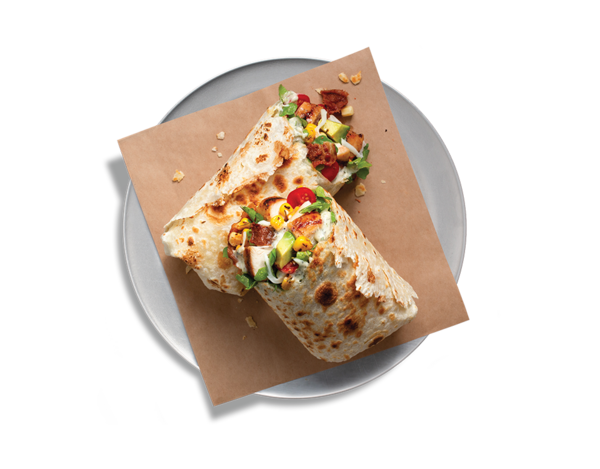
Italian cuisine is famous worldwide for pasta, pizza, and gelato—but beyond restaurant tables lies a rich street food culture that tells an even deeper story of regional identity. Among the most authentic and beloved examples is piada Italian street food, a simple flatbread that carries centuries of history, local pride, and irresistible flavor.
From seaside kiosks to modern fast-casual restaurants, piada has evolved while staying true to its roots. This guide explores its origins, ingredients, cultural role, and why it has become a must-try for food lovers seeking real Italian street food.
What Is Piada Italian Street Food?
Piada (also known as piadina) is a thin, round flatbread traditionally made with flour, water, salt, and fat—historically lard, now often olive oil. It is cooked on a hot flat griddle and filled with savory or sweet ingredients, then folded and eaten by hand.
Unlike pizza, piada is not baked, and unlike sandwiches, it is made fresh to order. This makes piada Italian street food a perfect combination of speed, freshness, and flavor.
The Historical Roots of Piada
Piada originates from the region of Emilia-Romagna, one of Italy’s richest culinary territories. Historical records trace piada back to Roman times, when flatbreads were a staple food for farmers and soldiers.
For centuries, piada was considered “poor people’s food”—cheap, filling, and easy to prepare. Families passed down recipes orally, each household developing its own variation based on available ingredients.
Along the Adriatic coast, particularly around Rimini, piada became deeply tied to local identity. Even today, locals debate the “correct” thickness, fat type, and cooking method.
Piada vs Piadina: Is There a Difference?
Technically, piada and piadina refer to the same food. However:
-
Piada is the traditional dialect term
-
Piadina is the standardized Italian version
In street food branding and menus, “piada Italian street food” is often used to emphasize authenticity and regional roots.
Traditional Ingredients and Preparation
Core Ingredients
-
Soft wheat flour
-
Water or milk
-
Salt
-
Olive oil or lard
Cooking Method
Piada is cooked on a flat iron or stone plate (called testo) without oil. The result is a lightly crisp exterior and a soft, warm interior.
This simplicity allows the fillings to shine.
Classic Piada Fillings (Traditional & Modern)
Traditional Fillings
-
Squacquerone cheese (local soft cheese)
-
Prosciutto crudo
-
Arugula
-
Grilled vegetables
Modern Street Food Variations
-
Chicken or beef strips
-
Vegan cheese and hummus
-
Spicy sauces
-
Sweet fillings like Nutella or mascarpone
This flexibility is why piada Italian street food works equally well as a quick lunch, late-night snack, or gourmet street meal.
Piada in Italian Street Food Culture
In Italy, piada is more than food—it’s an experience.
You’ll find it served from:
-
Beachside kiosks
-
Food trucks
-
Small family-run stands (piadinerie)
Eating piada is casual, social, and local. It reflects the Italian philosophy that great food doesn’t need to be complicated.
Global Rise of Piada Italian Street Food
In recent years, piada has expanded beyond Italy. Fast-casual restaurants and food halls across Europe and North America have embraced piada as a healthier, customizable alternative to wraps and burgers.
Its appeal lies in:
-
Fresh preparation
-
Portable format
-
Premium Italian branding
-
Customizable fillings
For entrepreneurs, piada Italian street food represents a high-margin, low-waste food concept with strong consumer appeal.
Nutritional Value and Health Appeal
Compared to deep-fried or heavily processed street foods, piada offers a balanced option:
-
Lower sugar than many breads
-
Customizable for vegetarian and vegan diets
-
Can be high-protein depending on filling
-
Fewer preservatives when made fresh
Health-conscious consumers increasingly search for authentic yet lighter Italian street food, positioning piada perfectly in modern food trends.
How Piada Differs from Other Italian Street Foods
| Food | Cooking Method | Texture | Best Use |
|---|---|---|---|
| Pizza al taglio | Oven-baked | Thick, airy | Shared slices |
| Panini | Pressed | Crunchy | Cafés |
| Focaccia | Oven-baked | Soft, oily | Bakery |
| Piada | Griddle-cooked | Soft & flexible | Street food |
This unique preparation gives piada Italian street food its signature character.
Commercial & Transactional Value of Piada
From a business perspective, piada is ideal for:
-
Food trucks
-
Franchises
-
Pop-up restaurants
-
Street food markets
Low equipment costs and fast service times make piada an attractive option for startups looking to enter the Italian street food market.
Why Piada Represents Italian Culinary Tradition
Piada survives because it adapts without losing identity. It respects tradition while embracing innovation—something Italy does better than almost any food culture.
Whether eaten on a beach in Romagna or from a modern urban food stall, piada Italian street food connects people through taste, history, and simplicity.
Frequently Asked Questions (FAQ)
What is piada Italian street food?
Piada is a traditional Italian flatbread from Emilia-Romagna, cooked on a griddle and filled with savory or sweet ingredients.
Is piada the same as pizza?
No. Piada is not baked, has no yeast, and is folded with fillings rather than topped and sliced.
Is piada healthy?
Yes, especially when filled with vegetables, lean proteins, and fresh cheese. It’s less processed than many fast foods.
Can piada be vegetarian or vegan?
Absolutely. Many piada fillings are plant-based, and vegan dough recipes are common.
Where can I find authentic piada?
Authentic piada is traditionally found in Emilia-Romagna, especially near Rimini, but is now available globally in Italian street food restaurants.
Is piada good for a street food business?
Yes. Piada has low startup costs, fast preparation, and high customer appeal, making it ideal for commercial street food operations.
Final Thoughts
Piada Italian street food is a perfect example of how simple ingredients, cultural heritage, and adaptability can create a timeless culinary icon. Whether you’re a traveler, foodie, or entrepreneur, piada offers a delicious entry point into authentic Italian street food tradition—one warm, folded bite at a time. 🇮🇹