






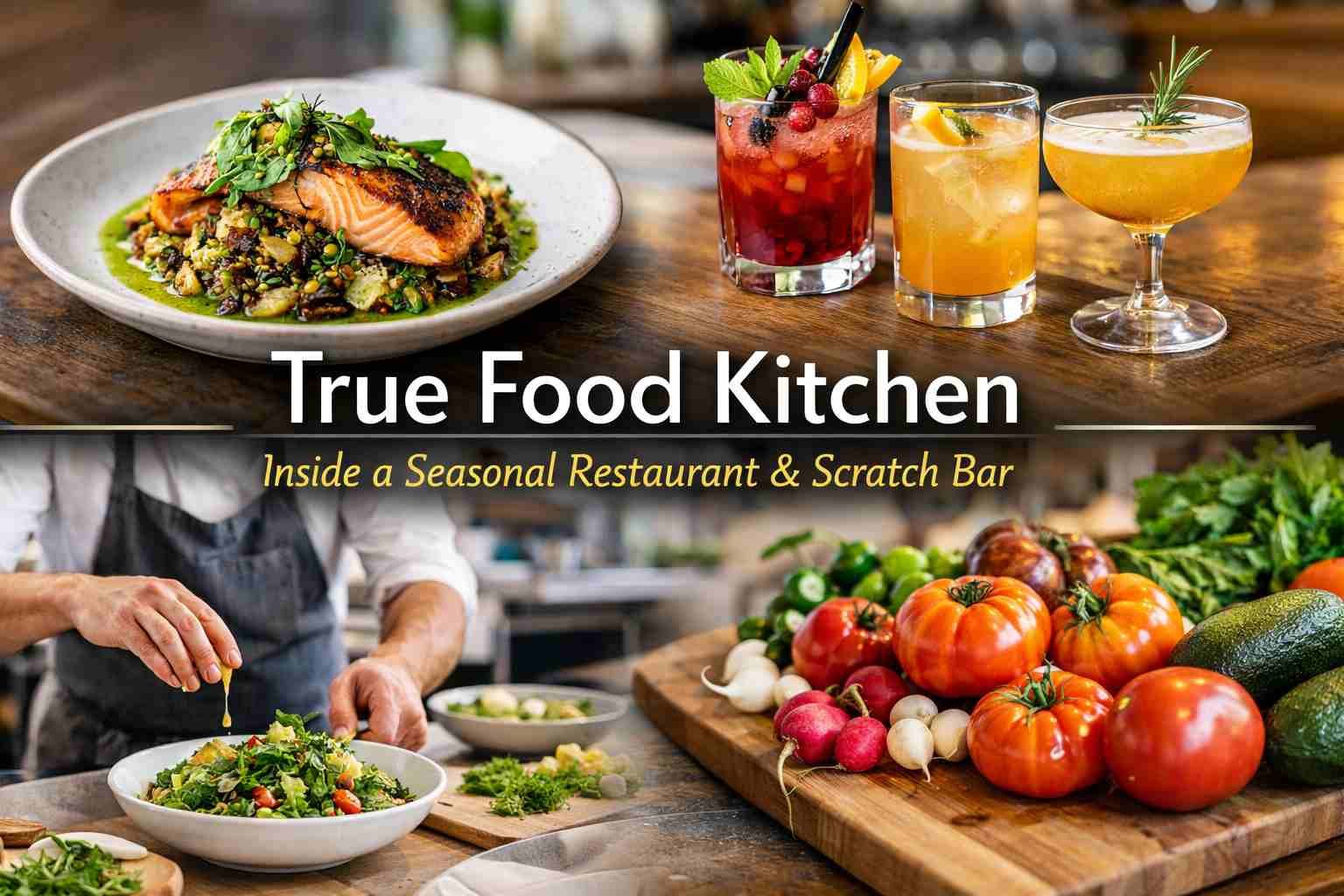
In a dining landscape increasingly dominated by convenience and speed, a different philosophy is quietly reshaping how people think about food, wellness, and hospitality. Seasonal restaurants and scratch bars are no longer niche concepts—they’re becoming the gold standard for diners who care about flavor, transparency, and how food makes them feel. At the center of this movement is True Food Kitchen, a restaurant built around the idea that eating well should be both delicious and accessible.
This article takes an in-depth look at what defines a seasonal restaurant and scratch bar, how this approach transforms the dining experience, and why it resonates so strongly with modern guests seeking balance between health and indulgence.
The Philosophy Behind Seasonal Dining
Seasonal dining starts with a simple principle: food tastes better when it’s eaten at the right time. Ingredients harvested in season are fresher, more flavorful, and often more nutritious than those grown or transported out of season. This philosophy encourages menus that evolve throughout the year, reflecting what farms and producers are naturally offering.
Rather than forcing strawberries onto a winter menu or relying on heavily processed substitutes, seasonal restaurants embrace change. Guests may notice menus shifting quarterly—or even more frequently—introducing new produce, grains, and flavors that align with the time of year.
This constant evolution does more than improve taste. It fosters creativity in the kitchen, supports local and regional agriculture, and creates a sense of anticipation for diners who know there’s always something new to discover.
What “Scratch-Made” Really Means
The term “scratch bar” or “scratch kitchen” is often used loosely, but its true meaning is rooted in craftsmanship. Scratch-made food and beverages are prepared using whole, recognizable ingredients rather than pre-made mixes, bottled sauces, or artificial additives.
In a scratch kitchen:
-
Sauces are built from raw ingredients
-
Dressings are blended in-house
-
Doughs, broths, and marinades are prepared fresh
-
Cocktails rely on freshly squeezed juices, house-made syrups, and real herbs
This approach requires more time, skill, and intention—but the payoff is quality and control. Scratch preparation allows chefs and bartenders to fine-tune flavors, reduce unnecessary additives, and ensure consistency across every plate and glass.
The Marriage of Health and Flavor
One of the biggest misconceptions about health-focused dining is that it sacrifices flavor. Seasonal restaurants with scratch bars challenge that idea head-on. By focusing on fresh ingredients, natural fats, herbs, spices, and balanced cooking techniques, these kitchens prove that food can be both nourishing and crave-worthy.
Instead of extreme restrictions or rigid rules, the emphasis is on balance:
-
Whole grains paired with vibrant vegetables
-
Lean proteins complemented by rich, house-made sauces
-
Naturally sweet ingredients used to enhance desserts and drinks
This inclusive approach welcomes a wide range of dietary preferences, including plant-based, vegetarian, vegan, and gluten-conscious diners, without making anyone feel limited or singled out.
A Menu That Evolves With You
Seasonal menus are living documents. They adapt not only to ingredient availability but also to changing guest preferences and culinary trends. This flexibility keeps the dining experience fresh and relevant.
Guests may notice:
-
Lighter, brighter dishes in spring and summer
-
Heartier grains, root vegetables, and warming spices in fall and winter
-
Rotating chef specials inspired by local harvests
For regular diners, this evolution builds trust. It signals that the restaurant is paying attention—to the seasons, to quality, and to the people it serves.
Inside the Scratch Bar Experience
The scratch bar is where craftsmanship truly shines. Unlike traditional bars that rely heavily on bottled mixers and artificial flavors, a scratch bar treats cocktails with the same respect as the food menu.
Fresh citrus is squeezed daily. Herbs are muddled by hand. Syrups are simmered in-house using real fruit, spices, and botanicals. Even non-alcoholic drinks receive the same attention, offering complex, satisfying options beyond standard sodas.
This level of care results in beverages that feel intentional rather than automatic. Whether it’s a seasonal cocktail, a thoughtfully paired wine, or a zero-proof refresher, each drink is designed to complement the menu and enhance the overall experience.
Sustainability Beyond the Plate
Seasonal, scratch-made dining often goes hand in hand with sustainability. While every restaurant approaches this differently, the model naturally supports more responsible practices.
Common benefits include:
-
Reduced reliance on processed and packaged foods
-
Lower food waste through flexible menu planning
-
Support for farmers and producers aligned with seasonal cycles
Sustainability isn’t presented as a marketing slogan—it’s woven into daily operations, from ingredient sourcing to kitchen prep.
The Guest Experience: More Than a Meal
Dining at a seasonal restaurant and scratch bar is about more than eating. It’s about how the experience makes you feel—physically and emotionally.
Guests often describe these spaces as:
-
Warm and inviting rather than formal or intimidating
-
Energetic yet relaxed
-
Thoughtful without being preachy
The environment encourages connection, whether you’re sharing a meal with friends, enjoying a solo lunch, or celebrating a special occasion. It’s dining designed to fit real life, not disrupt it.
Why This Model Resonates Today
Modern diners are more informed than ever. They read labels, ask questions, and care about where their food comes from. At the same time, they still want convenience, comfort, and indulgence.
Seasonal restaurants with scratch bars strike that balance. They offer transparency without judgment, wellness without rigidity, and flavor without compromise. This alignment with contemporary values is why the concept continues to grow—and why it feels less like a trend and more like a long-term shift in dining culture.
Frequently Asked Questions (FAQ)
What is a seasonal restaurant?
A seasonal restaurant designs its menu around ingredients that are naturally available during specific times of the year. This results in fresher flavors, rotating dishes, and menus that change throughout the year.
What does “scratch bar” mean?
A scratch bar prepares cocktails and beverages using fresh, whole ingredients rather than pre-made mixes. This often includes fresh juices, house-made syrups, and handcrafted infusions.
Is seasonal dining always healthy?
Seasonal dining prioritizes fresh ingredients, but it doesn’t follow strict rules. The focus is on balance, quality, and flavor rather than restriction.
Are there options for special diets?
Most seasonal restaurants offer a variety of options for different dietary preferences, including plant-based, vegetarian, and gluten-conscious choices.
Why do menus change so often?
Menu changes reflect ingredient availability, seasonal produce, and culinary creativity. This keeps the dining experience fresh and aligned with nature’s cycles.
Are scratch-made cocktails stronger or healthier?
Scratch-made cocktails aren’t necessarily stronger, but they often contain fewer artificial ingredients and more natural flavors compared to pre-mixed drinks.
Final Thoughts
True Food Kitchen exemplifies what’s possible when intention meets execution. By embracing seasonal ingredients, scratch-made preparation, and a welcoming approach to wellness, it offers a dining experience that feels both modern and timeless. It’s proof that food doesn’t have to choose between health and pleasure—and that when ingredients are respected, everyone at the table benefits.
Disclaimer
This article is for informational and educational purposes only. Menu offerings, ingredients, preparation methods, and availability may vary by location and season. Dietary needs and nutritional requirements differ from person to person; guests should consult with restaurant staff or a qualified professional regarding specific dietary concerns, allergies, or health conditions.