







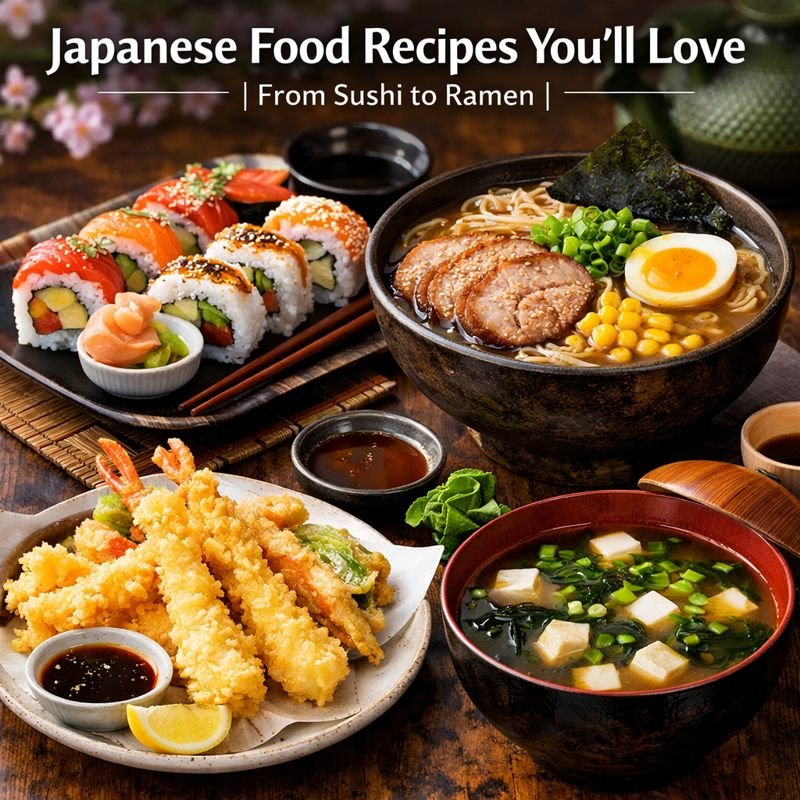
Japanese cuisine is loved all over the world for its balance of flavor, nutrition, simplicity, and presentation. From comforting bowls of ramen to delicate sushi rolls, Japanese food reflects a deep respect for ingredients and seasonal cooking. Whether you are a beginner or an experienced home cook, Japanese recipes are surprisingly approachable and incredibly satisfying.
In this detailed guide, you’ll explore popular Japanese food recipes, their cultural significance, ingredients, and step-by-step methods to prepare them at home. We’ll cover four iconic dishes—ramen, sushi, tempura, and miso soup—along with tips, FAQs, and a disclaimer to help you cook with confidence.
Why Japanese Food Is So Popular Worldwide
Japanese cuisine is built around a few core principles:
-
Fresh, high-quality ingredients
-
Minimal seasoning to enhance natural flavors
-
Balance of taste, texture, and nutrition
-
Beautiful presentation
Unlike heavy or overly spiced foods, Japanese dishes feel light yet filling, making them ideal for everyday meals.
Ramen Recipe – Comfort in a Bowl
Ramen is one of Japan’s most famous dishes. It consists of wheat noodles served in a savory broth, topped with vegetables, meat, and eggs.
Ingredients (Serves 2–3)
-
Ramen noodles – 2 packs
-
Chicken or vegetable stock – 4 cups
-
Soy sauce – 2 tbsp
-
Miso paste – 1 tbsp
-
Garlic – 2 cloves (minced)
-
Ginger – 1 tsp (grated)
-
Boiled eggs – 2
-
Spring onions – chopped
-
Mushrooms, corn, or spinach – optional
-
Sesame oil – 1 tsp
Method
-
Heat sesame oil in a pan, sauté garlic and ginger until fragrant.
-
Add stock, soy sauce, and miso paste. Simmer for 10 minutes.
-
Cook ramen noodles separately according to package instructions.
-
Add vegetables to the broth and cook briefly.
-
Assemble by placing noodles in a bowl, pouring hot broth over them.
-
Top with sliced boiled eggs and spring onions.
Tips
-
Adjust broth flavor with soy sauce or miso.
-
Add chili oil for spice.
Sushi Recipe – Fresh & Elegant
Sushi is a symbol of Japanese culinary artistry. While it may seem difficult, simple sushi rolls are easy to make at home.
Ingredients (Makes 4 rolls)
-
Sushi rice – 2 cups (cooked)
-
Rice vinegar – 2 tbsp
-
Sugar – 1 tbsp
-
Salt – ½ tsp
-
Nori sheets – 4
-
Fillings: cucumber, avocado, carrot, cooked fish or tofu
Method
-
Mix vinegar, sugar, and salt into warm rice. Let it cool.
-
Place a nori sheet on a bamboo mat.
-
Spread rice evenly, leaving 1 inch at the top.
-
Add fillings in the center.
-
Roll tightly and seal with water.
-
Slice with a sharp knife.
Serving Suggestions
-
Serve with soy sauce, wasabi, and pickled ginger.
Tempura Recipe – Light & Crispy
Tempura is a Japanese-style fried dish known for its light, airy batter. Vegetables and seafood are commonly used.
Ingredients
-
All-purpose flour – 1 cup
-
Cornstarch – 2 tbsp
-
Ice-cold water – ¾ cup
-
Baking soda – a pinch
-
Vegetables: sweet potato, zucchini, onion
-
Oil for deep frying
Method
-
Heat oil to medium-high.
-
Mix flour, cornstarch, baking soda, and cold water gently.
-
Dip vegetables into batter.
-
Fry until light golden and crisp.
-
Drain on paper towels.
Tips
-
Do not overmix the batter.
-
Always use cold water for crispiness.
Miso Soup Recipe – Simple & Healthy
Miso soup is a traditional Japanese staple, often served as a starter or breakfast dish.
Ingredients
-
Water – 4 cups
-
Miso paste – 2 tbsp
-
Tofu – cubed
-
Dried seaweed (wakame) – 1 tbsp
-
Spring onions – chopped
Method
-
Heat water until warm, not boiling.
-
Add seaweed and tofu.
-
Dissolve miso paste in a separate bowl with warm water.
-
Add miso mixture to the pot.
-
Garnish with spring onions and serve hot.
Health Benefits
-
Supports digestion
-
Rich in probiotics
-
Low in calories
Common Ingredients Used in Japanese Cooking
-
Soy sauce
-
Miso paste
-
Rice vinegar
-
Seaweed
-
Sesame oil
-
Tofu
-
Rice & noodles
These ingredients are widely available and versatile.
Cooking Tips for Beginners
-
Start with simple recipes like miso soup or vegetable tempura
-
Use fresh ingredients whenever possible
-
Focus on balance, not heavy seasoning
-
Presentation matters—keep it neat and colorful
Frequently Asked Questions (FAQs)
Q1. Is Japanese food healthy?
Yes. Japanese food is low in oil, rich in vegetables, and well-balanced.
Q2. Can I make Japanese food without special tools?
Absolutely. Most recipes can be made with basic kitchen equipment.
Q3. Are Japanese recipes vegetarian-friendly?
Yes. Many dishes like miso soup, sushi rolls, and tempura can be vegetarian.
Q4. Is sushi safe to make at home?
Yes, especially vegetarian or cooked sushi. Use fresh ingredients and clean tools.
Q5. Can I adjust flavors to my taste?
Definitely. Japanese cooking is flexible and can be adapted.
Disclaimer
This article is for informational and educational purposes only. Ingredients, cooking methods, and dietary suitability may vary based on individual preferences, health conditions, or availability. Always ensure food safety, especially when handling raw ingredients. Consult a nutritionist or medical professional if you have dietary concerns or allergies.
Final Thoughts
Japanese food is more than just a meal—it’s an experience of flavor, simplicity, and tradition. From ramen’s comfort to sushi’s elegance, these recipes bring authentic Japanese taste to your home kitchen. Start simple, enjoy the process, and explore the beauty of Japanese cuisine one dish at a time