






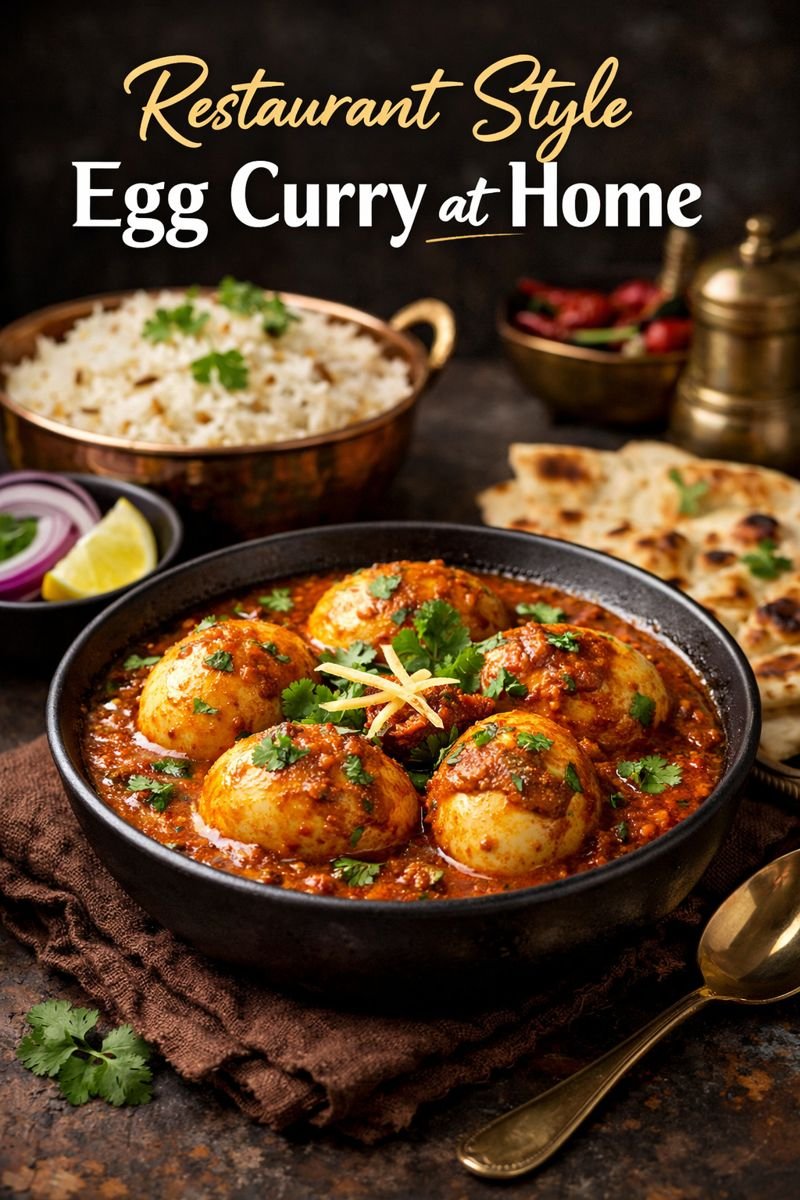
Egg curry is one of the most loved comfort foods in Indian kitchens. Simple ingredients, bold spices, and rich gravy come together to create a dish that feels both homely and indulgent. What makes restaurant-style egg curry special is its deep flavor, glossy texture, and perfectly balanced masala that coats every boiled egg beautifully. The good news? You don’t need to be a professional chef or visit a restaurant to enjoy it. With the right technique and a few smart tips, you can easily make restaurant-style egg curry at home.
Why Restaurant-Style Egg Curry Tastes Better
Restaurant-style egg curry stands out because of three main factors:
-
Well-roasted masala – Onions, tomatoes, ginger, and garlic are cooked slowly until oil separates, creating a rich base.
-
Layered spices – Spices are added in stages, enhancing depth and aroma.
-
Egg preparation – Boiled eggs are often lightly fried or slit so they absorb the gravy better.
This combination results in a curry that’s thick, flavorful, and irresistibly aromatic.
Ingredients That Make the Difference
While egg curry uses everyday ingredients, the proportions and preparation matter a lot. Fresh onions, ripe tomatoes, ginger-garlic paste, and whole spices like bay leaf or cumin add restaurant-style depth. Cashew paste or cream is sometimes added for richness, while kasuri methi (dried fenugreek leaves) gives that unmistakable restaurant aroma.
Good-quality oil or a mix of oil and butter also enhances flavor, something restaurants often do to achieve that luxurious taste.
The Secret to Perfect Eggs
In restaurant-style egg curry, eggs are never bland. After boiling, the shells are removed and the eggs are lightly fried until golden. This step creates a slight crust, helps them hold shape, and allows the gravy to cling better. Making small slits on the eggs lets the masala seep inside, ensuring flavor in every bite.
Step-by-Step Cooking Style (Overview)
The cooking method is just as important as the ingredients:
-
Boil and fry the eggs until lightly golden. Set aside.
-
Prepare the base by sautéing whole spices in hot oil.
-
Cook onions slowly until deep golden brown—this is key to restaurant flavor.
-
Add ginger-garlic paste and cook until the raw smell disappears.
-
Add tomato puree and cook patiently until oil separates.
-
Mix in powdered spices and adjust salt and heat.
-
Add water for gravy consistency, then gently place the eggs in the curry.
-
Finish with garam masala, cream, and kasuri methi for aroma and richness.
This slow and steady process creates a thick, glossy gravy that defines restaurant-style egg curry.
Flavor Variations You Can Try
One of the best things about egg curry is its versatility. You can customize it to suit your taste:
-
Dhaba Style Egg Curry: Spicier, smokier, and cooked with extra onions and red chili powder.
-
North Indian Style: Rich tomato-onion gravy with cream and garam masala.
-
South Indian Egg Curry: Coconut-based gravy with curry leaves and mustard seeds.
-
Punjabi Egg Curry: Thick, buttery gravy with bold spices.
Each version has its own charm while keeping eggs as the hero ingredient.
What to Serve with Egg Curry
Restaurant-style egg curry pairs beautifully with:
-
Steamed basmati rice or jeera rice
-
Butter naan, garlic naan, or tandoori roti
-
Plain chapati or paratha
Adding sliced onions, lemon wedges, and green chilies on the side gives a complete restaurant-style experience.
Tips for Restaurant-Perfect Results
-
Always cook onions and tomatoes patiently; rushing this step results in raw taste.
-
Use freshly ground spices when possible for better aroma.
-
A pinch of sugar can balance acidity from tomatoes.
-
Don’t overcook eggs in the gravy; simmer gently.
-
Finish with fresh coriander for color and freshness.
Why Egg Curry Is Loved by All
Egg curry is affordable, protein-rich, and incredibly satisfying. It fits perfectly into everyday meals as well as special occasions. Whether you’re cooking for family, guests, or yourself, this dish never disappoints. Making it at home gives you full control over spice level, oil, and ingredients, making it both healthier and tastier.
Frequently Asked Questions (FAQs)
Q1. Can I make restaurant-style egg curry without cream?
Yes, you can skip cream or replace it with cashew paste or milk for richness.
Q2. Why should eggs be fried before adding to curry?
Frying adds flavor, improves texture, and helps eggs absorb the gravy better.
Q3. How spicy is restaurant-style egg curry?
It’s usually medium spicy, but you can adjust chili quantity as per your taste.
Q4. Can egg curry be made in advance?
Yes, it tastes even better the next day as flavors deepen.
Q5. Which oil is best for egg curry?
Mustard oil adds authentic flavor, but vegetable oil or a mix of oil and butter also works well.
Q6. Is egg curry healthy?
Egg curry is rich in protein and nutrients. Moderating oil and cream makes it healthier.
Disclaimer
This article is for informational and educational purposes only. Ingredients, cooking methods, and nutritional values may vary based on personal preferences and dietary needs. Always adjust spices, oil, and ingredients according to your health requirements and consult a professional if you have specific dietary concerns.
If you want, I can also provide a full step-by-step recipe, SEO meta description, or short blog version